

Soundproof Paint vs. Our Products
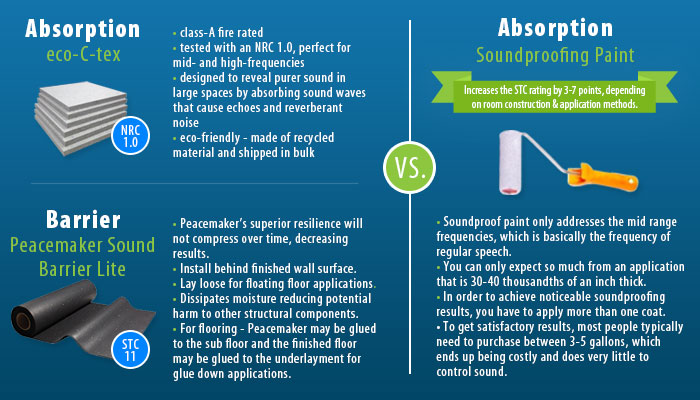
Let’s be honest. Sometimes soundproofing materials can be expensive. And if you have a large space that you need to treat, it could cost thousands of dollars. In an effort to save money on your soundproofing project, you turn to soundproofing paint – an inexpensive, ineffective product.
Soundproof Paint
Sound dampening paint only addresses the mid-range frequencies, which is basically the frequency of regular speech. High frequencies (like the sound of a flute) and low frequencies (like planes or outside traffic) are not protected using sound dampening paint.
Sound deadening paint is a minimum cost solution for those looking to enhance the sound and appearance of their space, but there are a few restrictions when it comes to its helpfulness, both in sound and sight.
1. Sound deadening paint has been identified to leave a very heavy coating on the wall producing a speckled or raised surface. In order to achieve evident soundproofing results, you have to put on multiple coats, which leads to more substantial texture.
2. Soundproof paint can only be tinted to light pastel colors due to its high pigment content.Your interior design options are restricted with soundproof paint.
3. Soundproof paint does not make a substantial difference.To put it in perspective, humans perceive a loss of 10 decibels to be 50% quieter. Sound proof paint doesn’t soundproof, it aids in absorbing sound.
Audimute Soundproofing Products
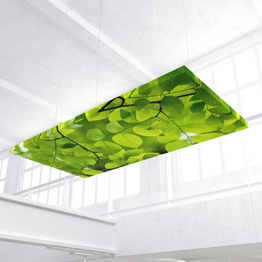
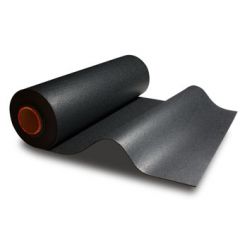
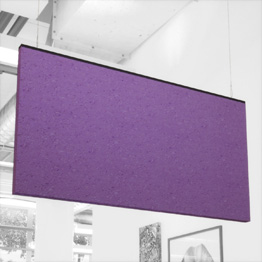
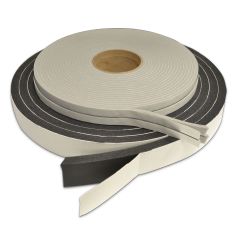
Audimute offers a wide range of products that addresses all frequencies of sound. Peacemaker®, a flexible, durable rubber barrier, blocks the transmission of sound rather than absorbing it. Once you have installed Peacemaker to block the sound, you should consider Audimute Acoustic Panels as the sound absorption material of choice to reduce the room’s echoes and reverberation.
1. Peacemaker
- Made from recycled rubber with a superior resilience that will not compress over time, decreasing results.
- Installs directly to wall studs during original construction or over drywall in retrofit applications
- STC tested
- Natural moisture barrier, reducing potential harm to other structural components
- Exceptional sound absorption with an NRC of .95
- Class A Fire-Rated
- Customizable
- Made from our eco-C-tex® sound absorption material that consists of a blend of recycled cotton and cellulose fibers
- Stable and simple installation
- Acoustic laboratory tested with an NRC of .85
- Naturally made from recyclables in the U.S
- Portable and easy to install
- Great for vocal booths, garages, studios, rehearsal space and more!
Featured Products
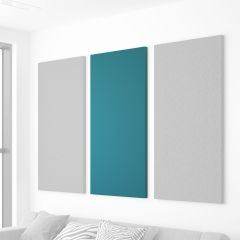

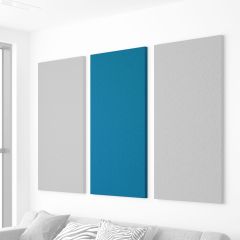
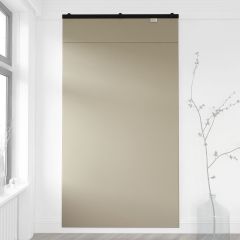

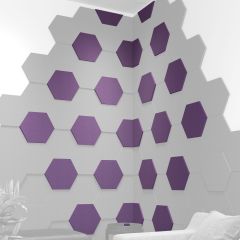
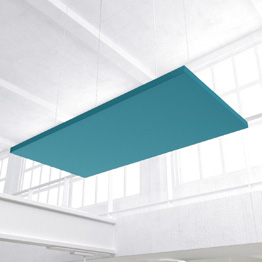
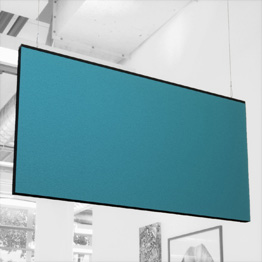
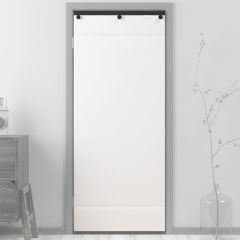
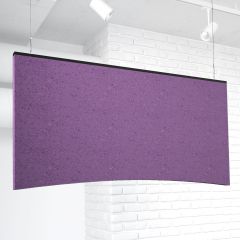
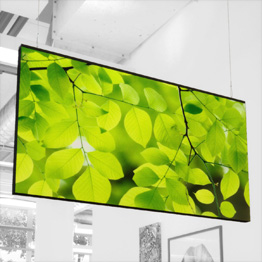
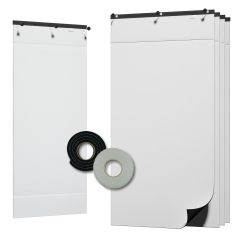

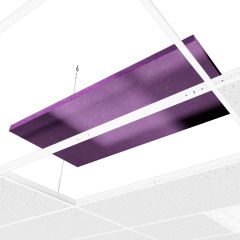
Get free soundproofing advice from our Acoustic Specialists! Call 1.866.505.MUTE or fill out a free Free Room Analysis Form to get started!