

How To Soundproof a Drum Room
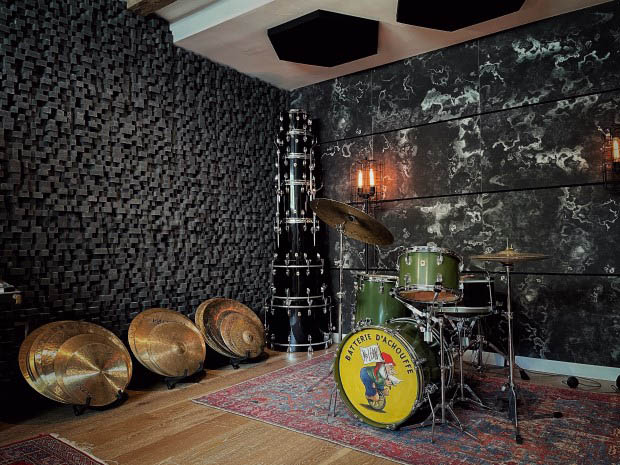
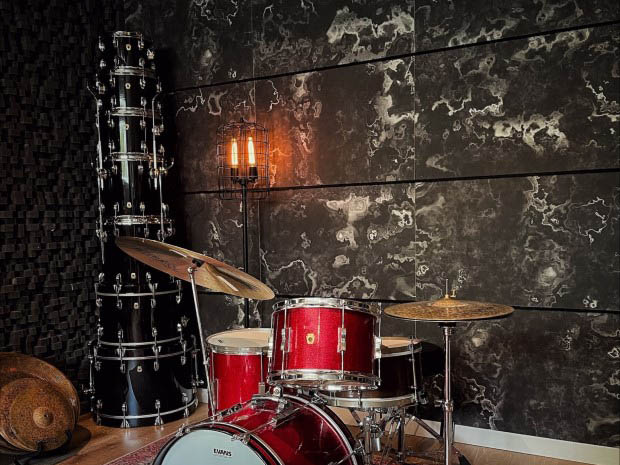
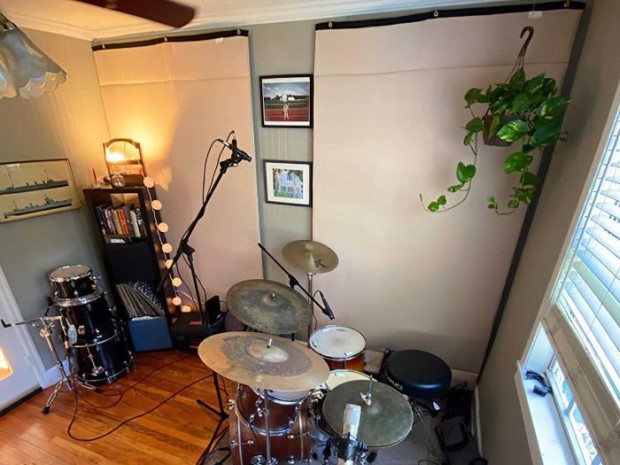
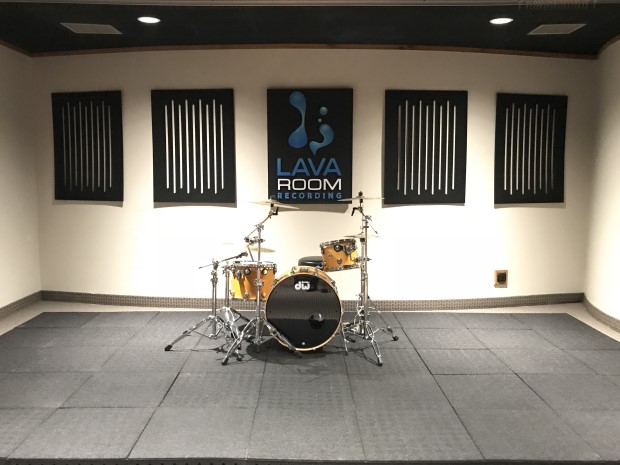

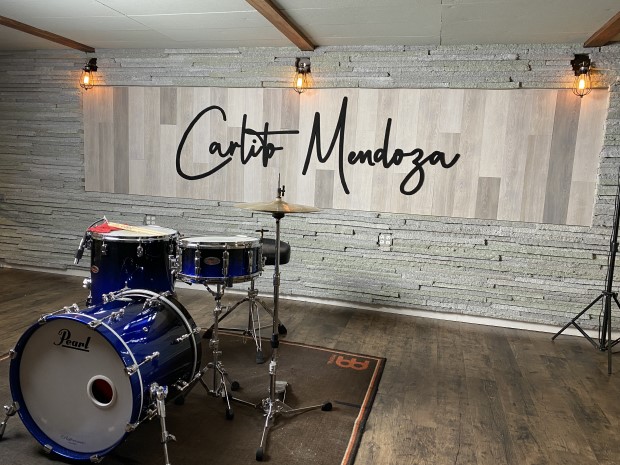
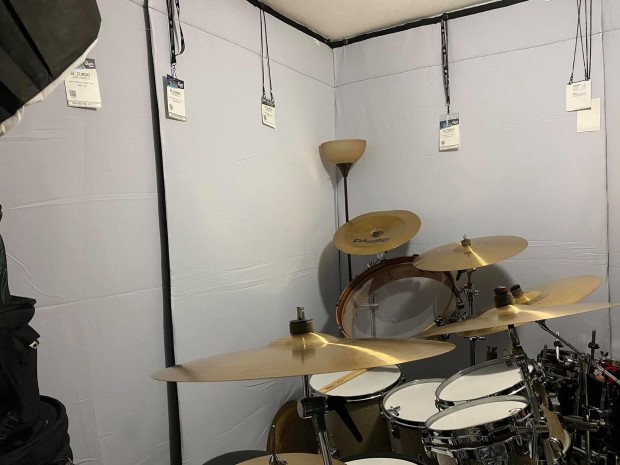
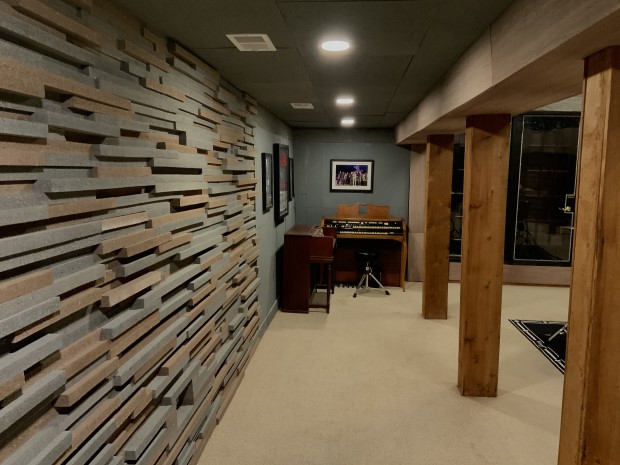
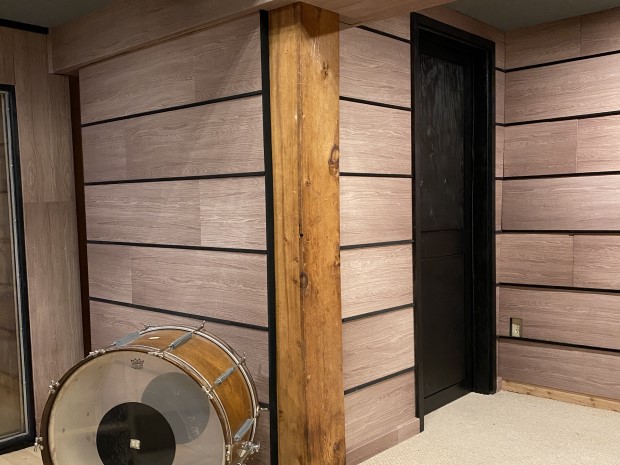
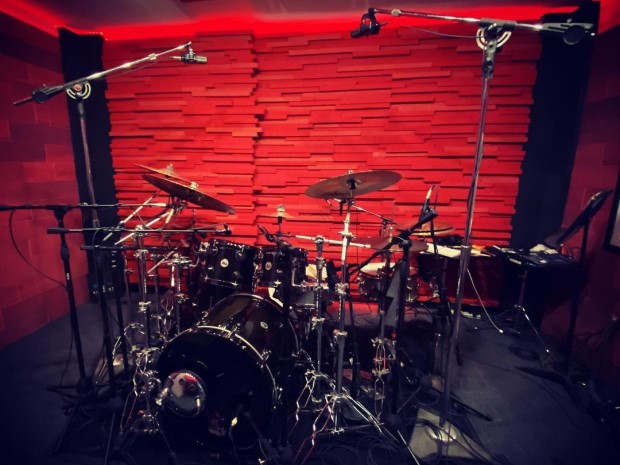
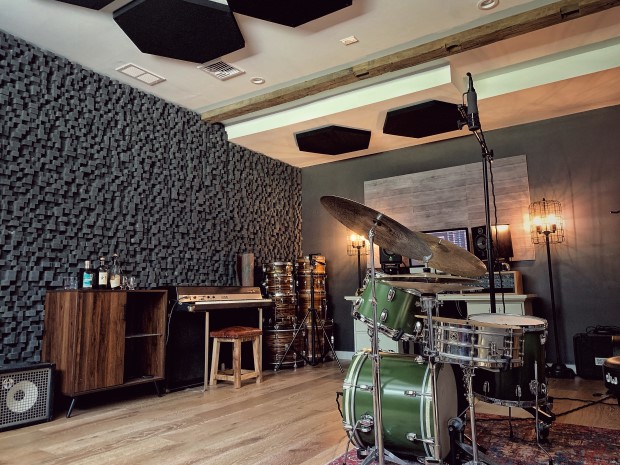
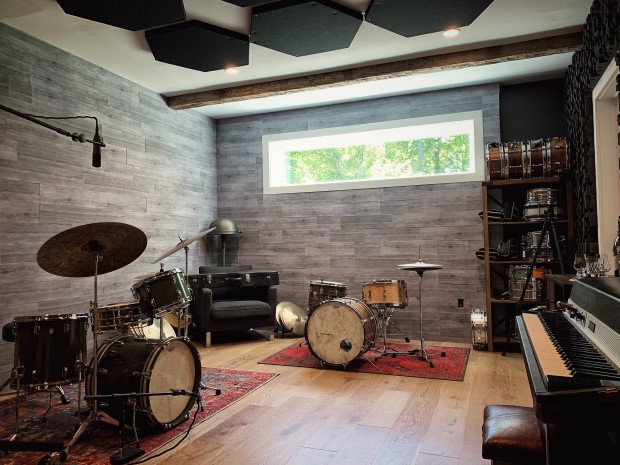
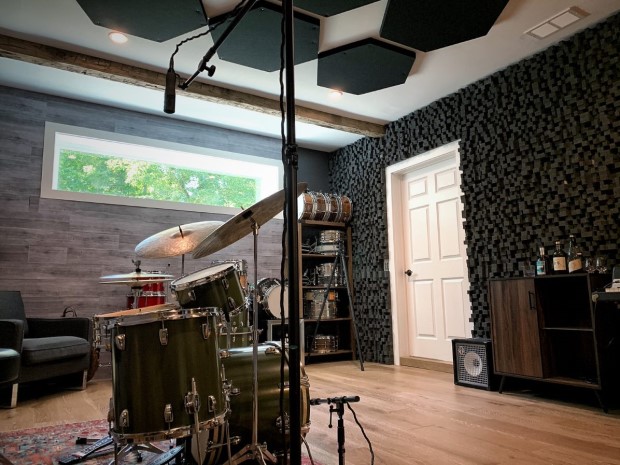
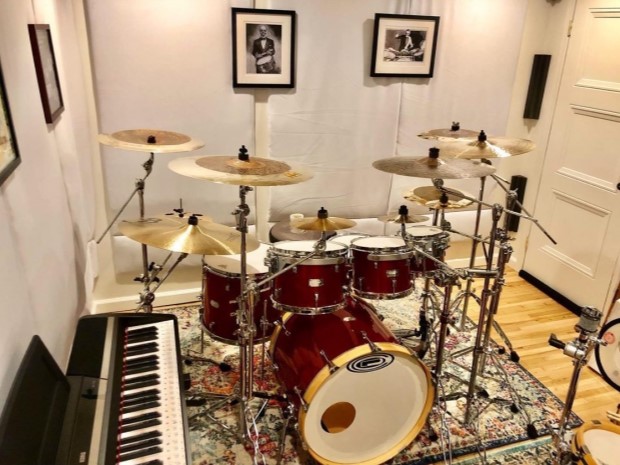
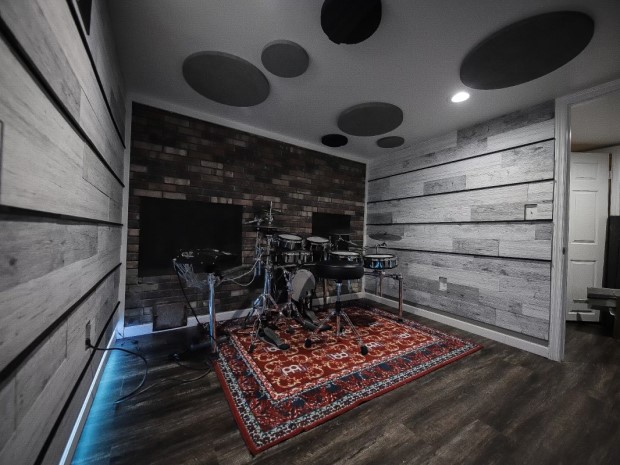
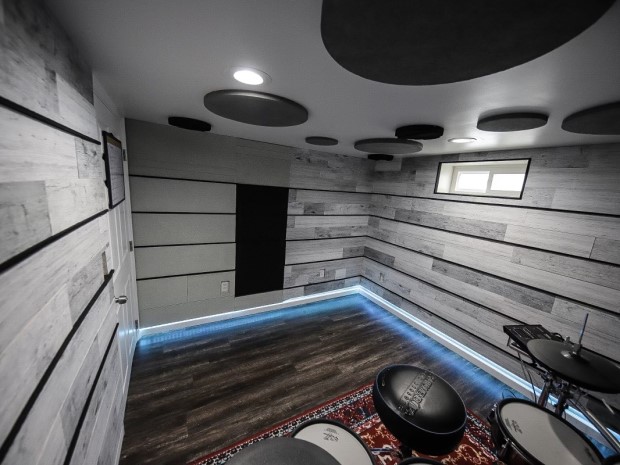
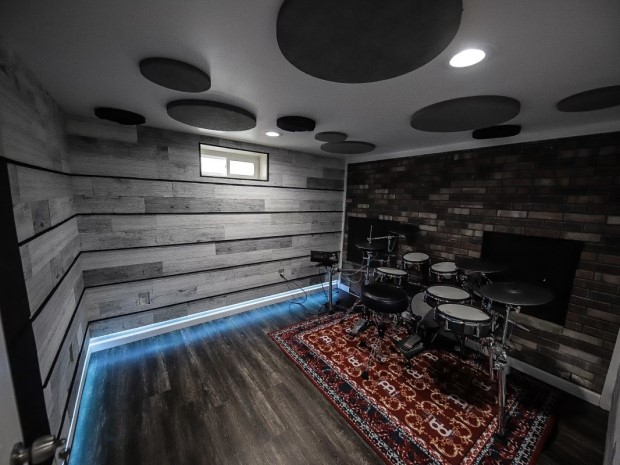
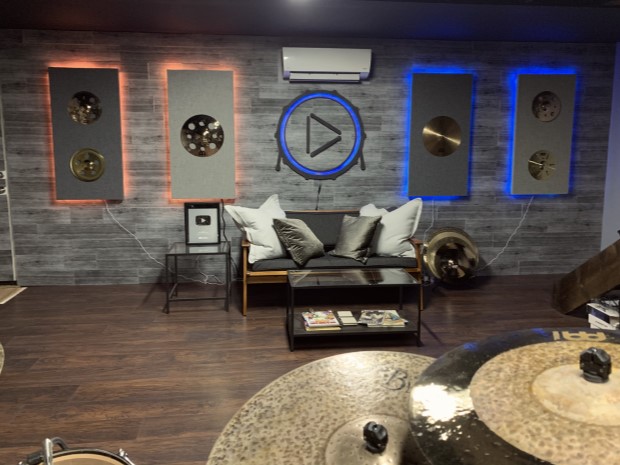
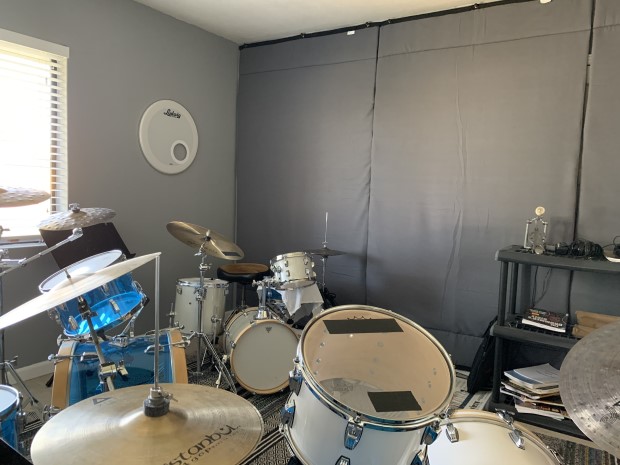
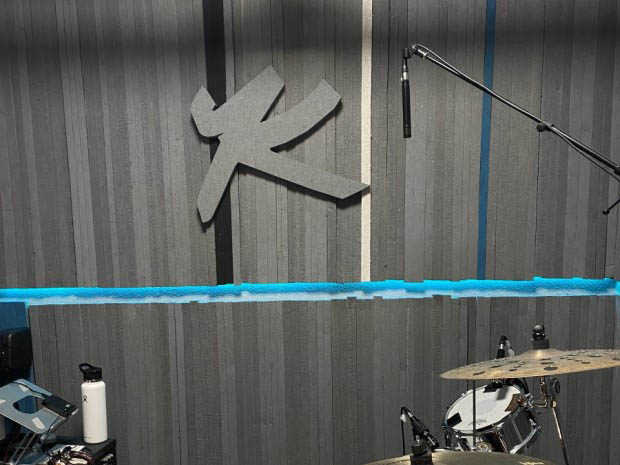
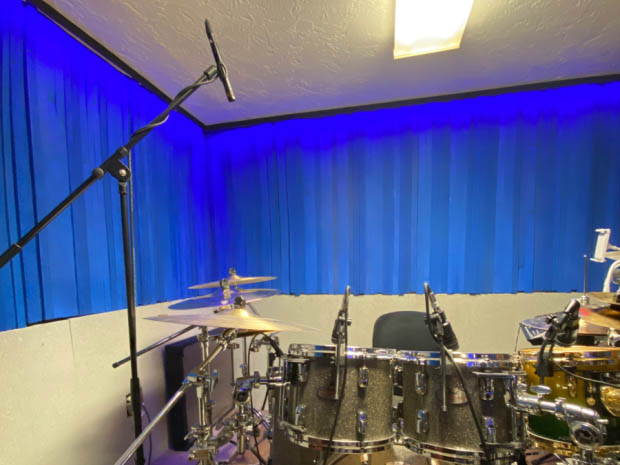
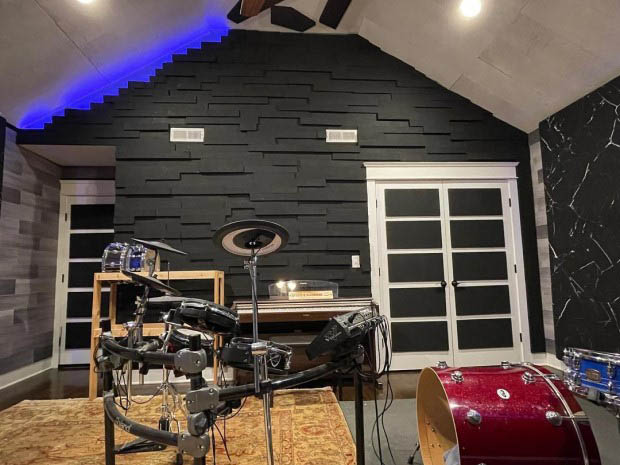
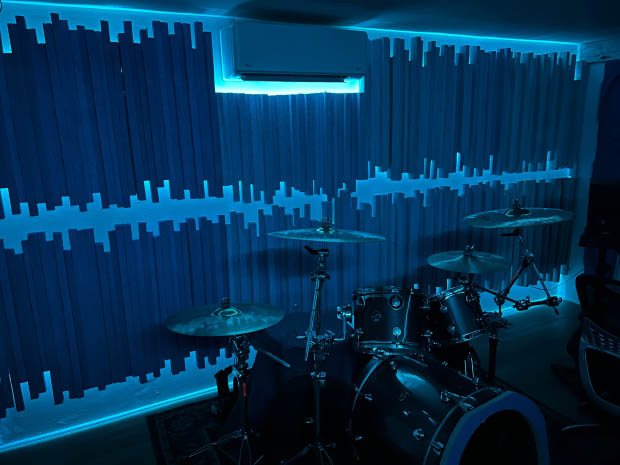
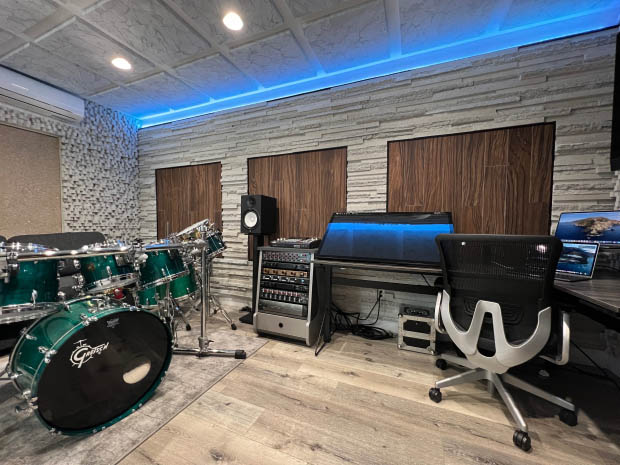
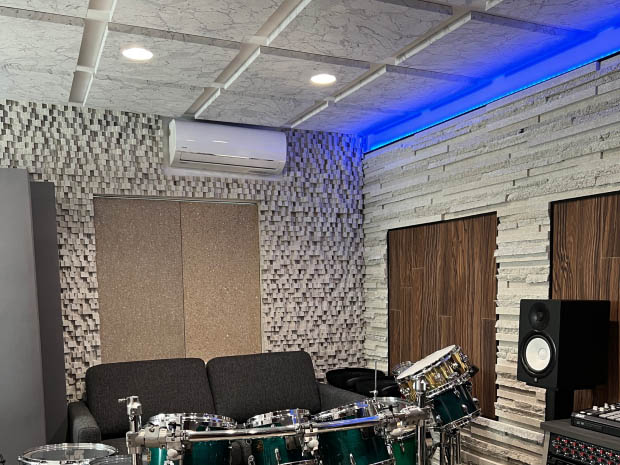
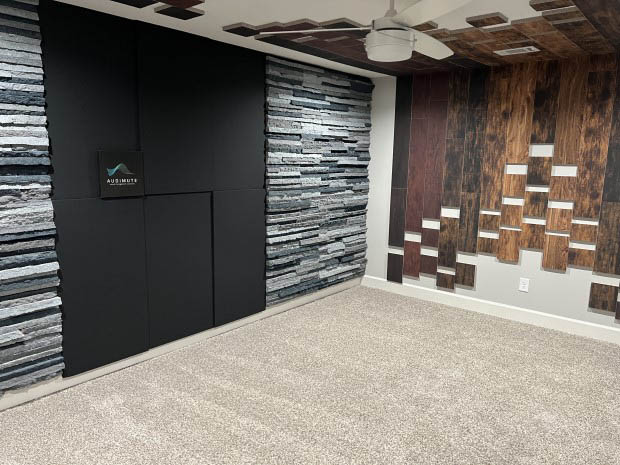
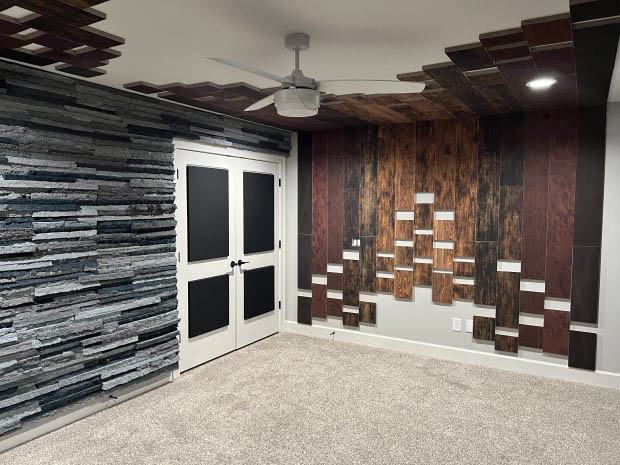
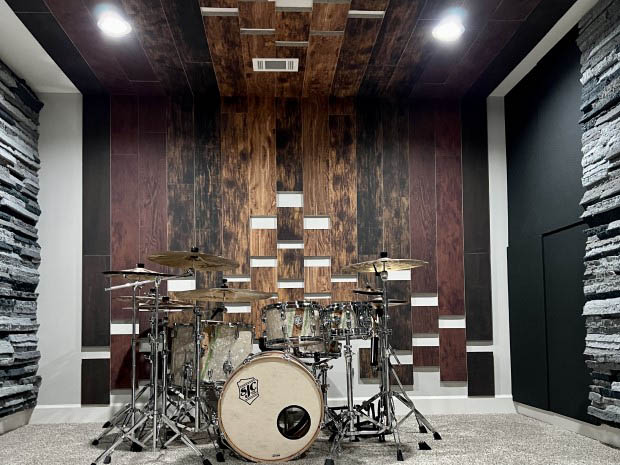
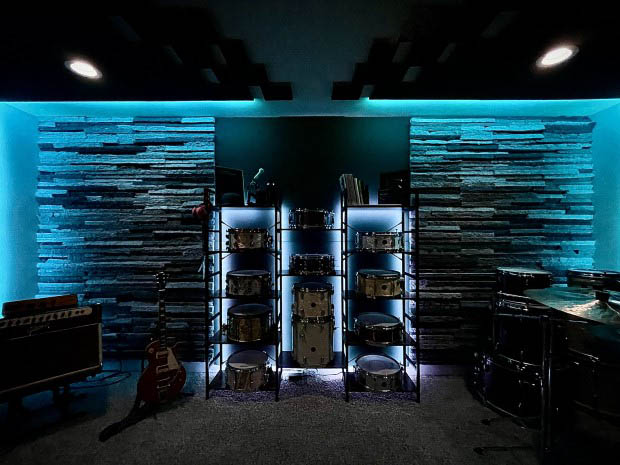
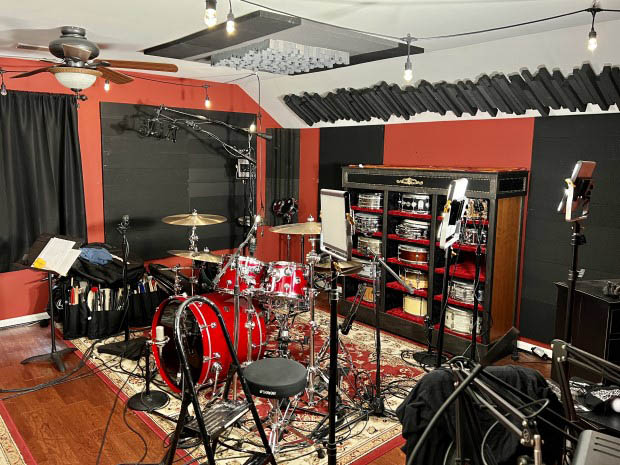
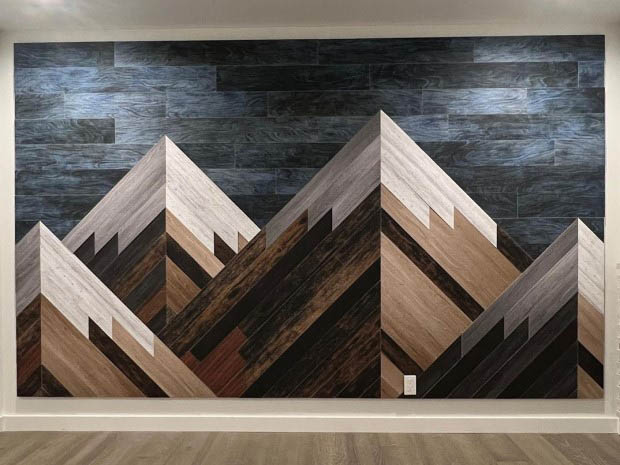
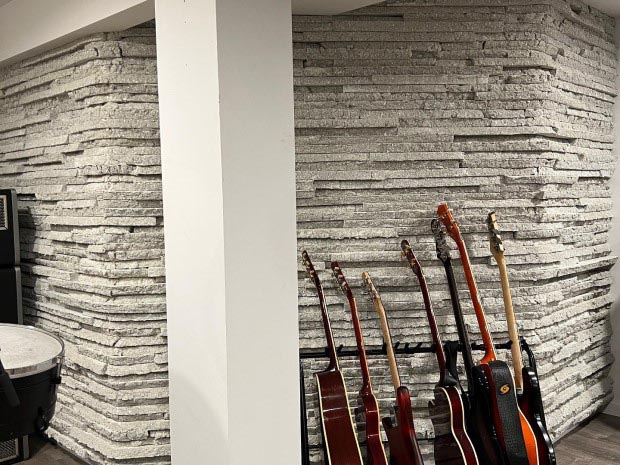
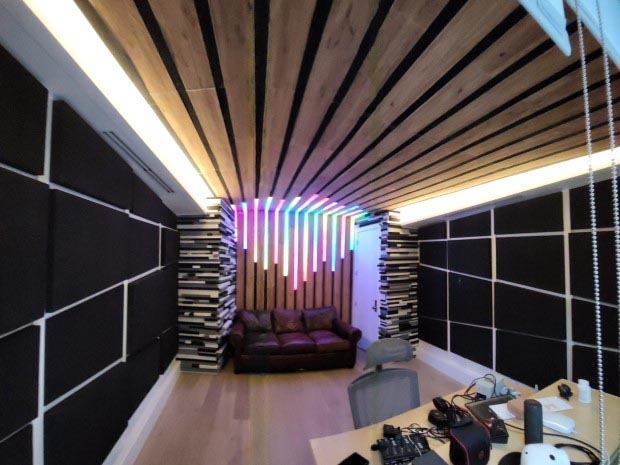



Soundproofing for Drums vs. Sound Absorption
A completely soundproof drum room lets out no sound, period. Building a drum room that is fully soundproof is a big, expensive job. It can be done, and if you’re set on truly soundproofing a practice room (drums or otherwise), Audimute has the products and expertise to get you there. But hold on, let’s consider what most drummers really need. In most cases, a completely soundproof drum room is not necessary. Simply reducing the amount of sound that escapes from the practice space should be enough to keep those around you happy.
Here’s a little easy science to help tell the story. The amount of sound coming from a drum set or a band is measured in decibels (dB). A drummer might generate 110–120dB when playing hard. If that drummer hits a little bit softer, just 10dB less, anyone listening will hear him or her playing half as loudly.
It works the same way with soundproofing. Due to the way our ears perceive sound, a “soundproof drum room” may not need to be soundproof at all. It only needs to reduce the volume by as little as 10dB to make the music half as loud outside the room. Sound absorption products for walls and for ceilings along with an Acoustic Door Seal Kit may be all that is needed for an effective solution. Drums can sound a whole lot better inside and a whole lot quieter outside the practice space with just few simple steps.
Affordable & Effective Options
Step 1: Sound Absorption Sheets
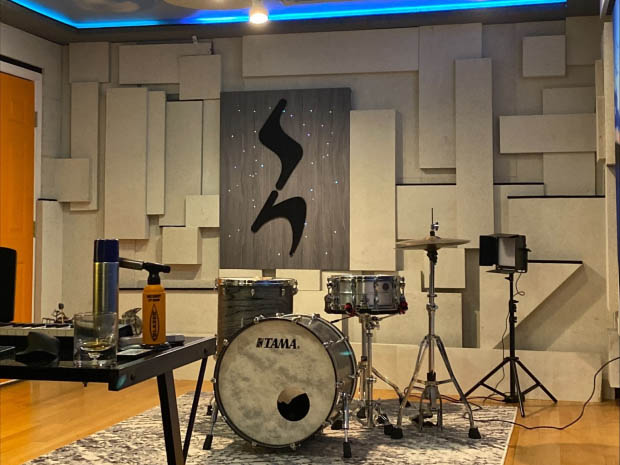
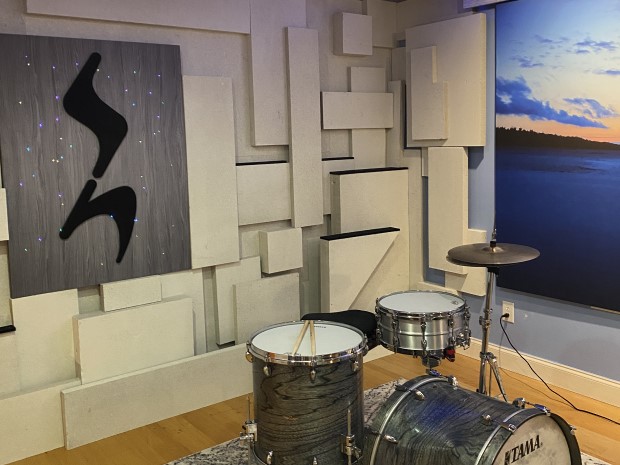
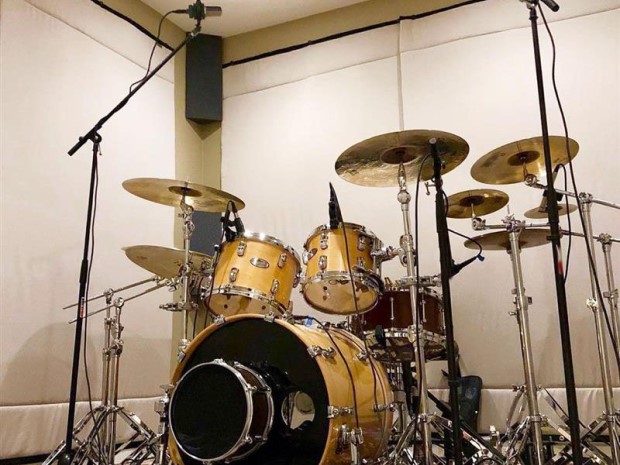
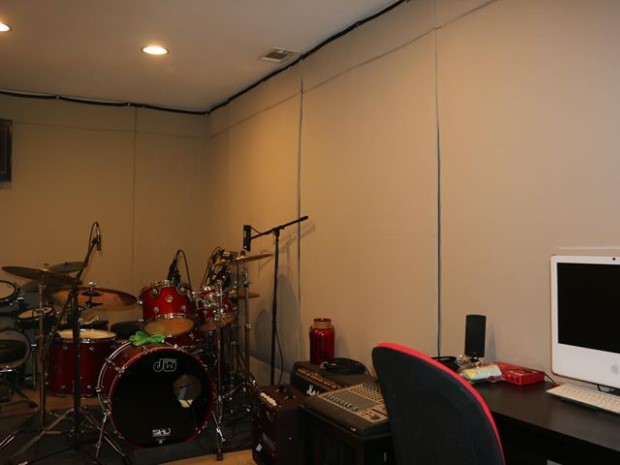
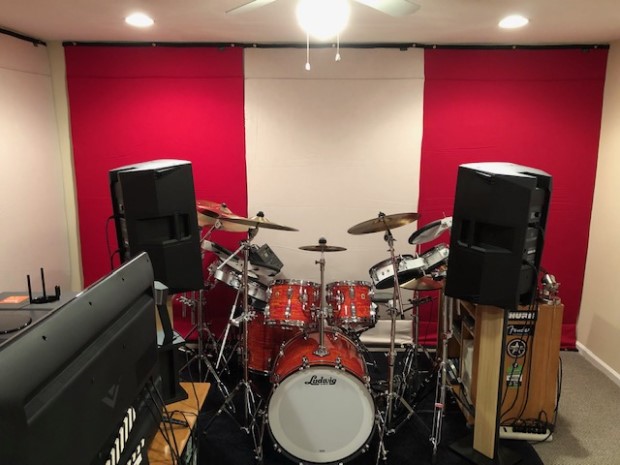
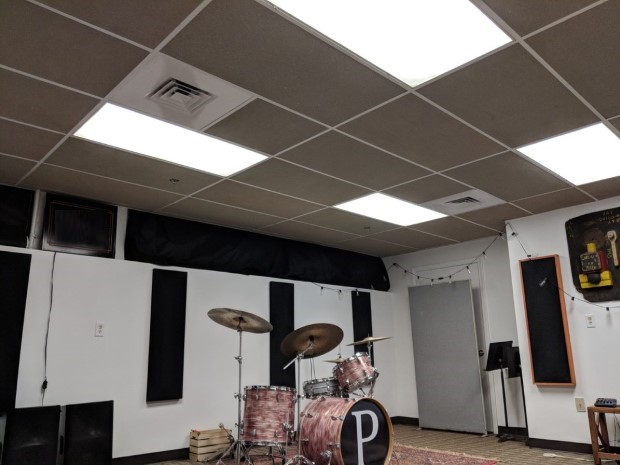
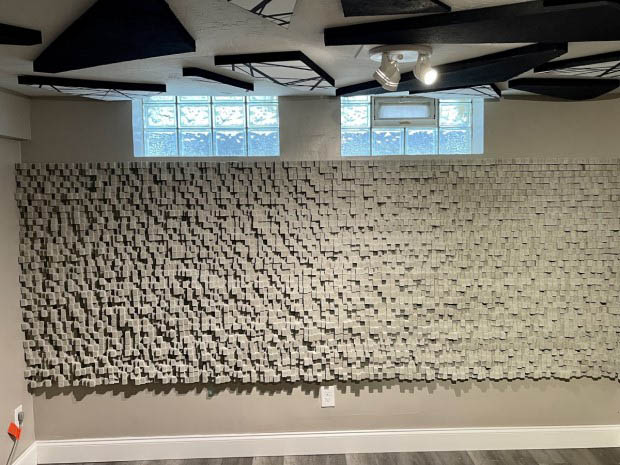
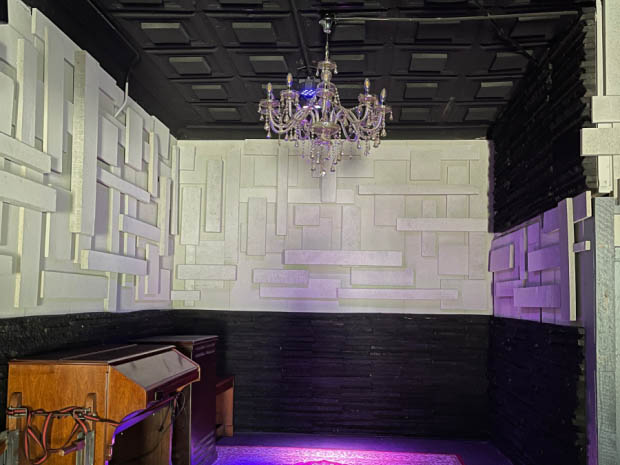
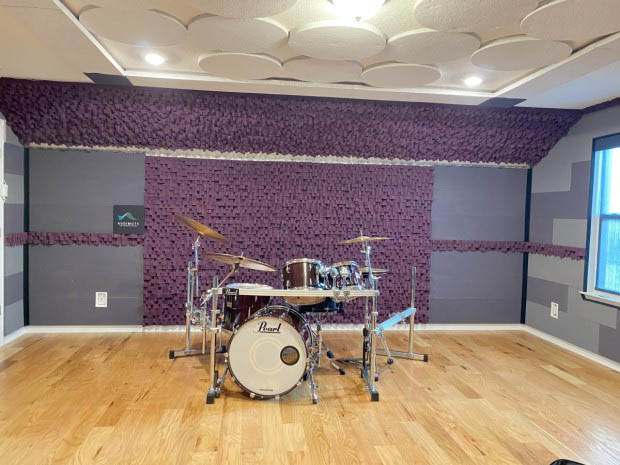
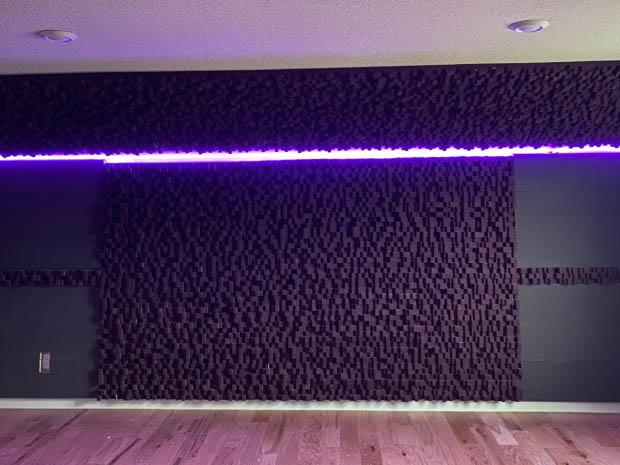
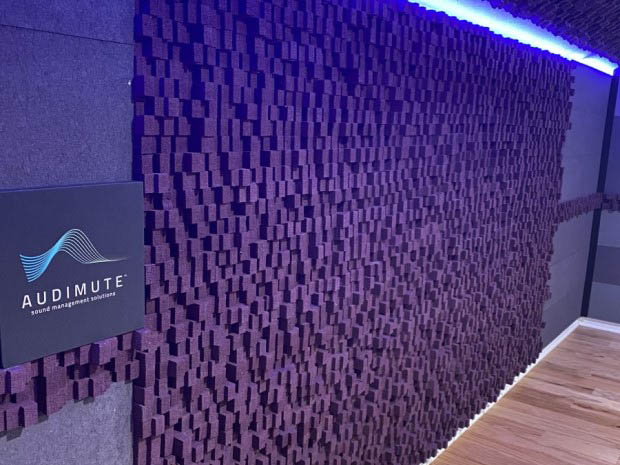
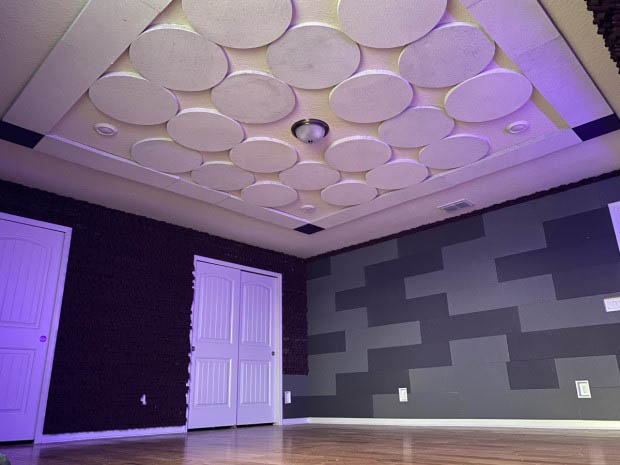
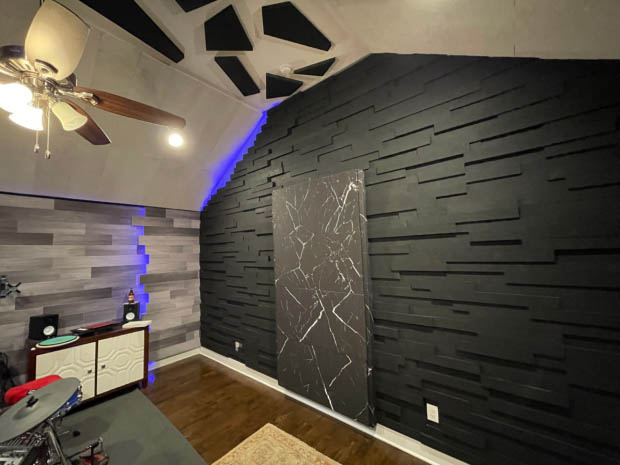
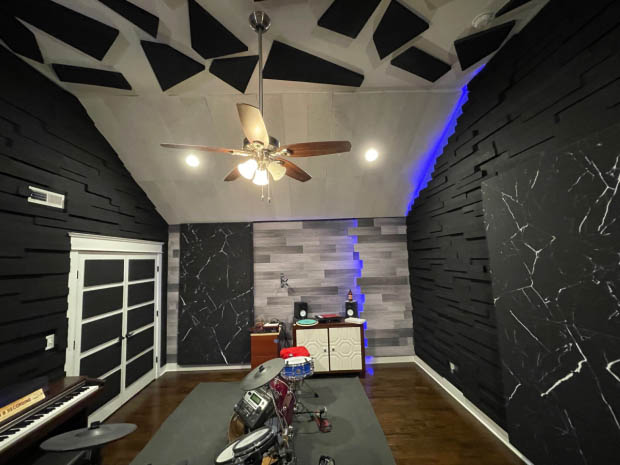
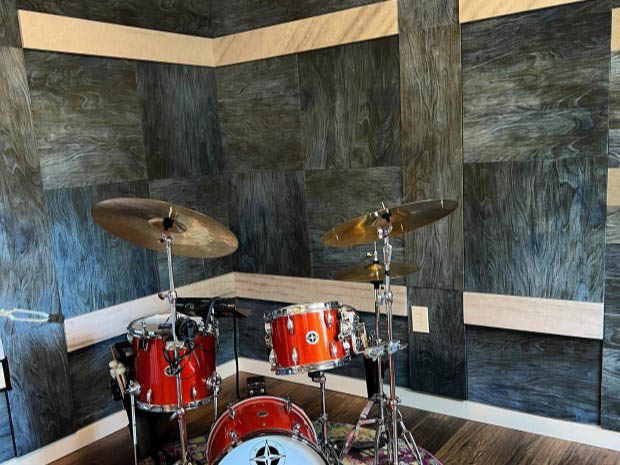
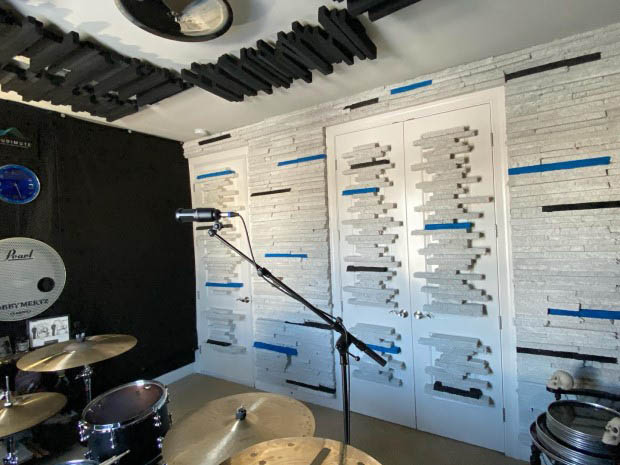
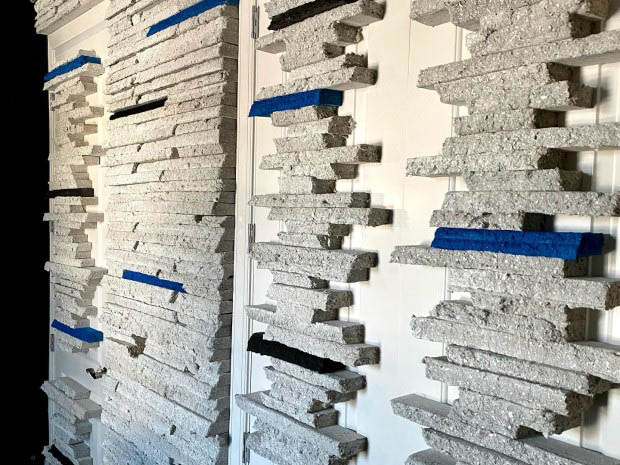
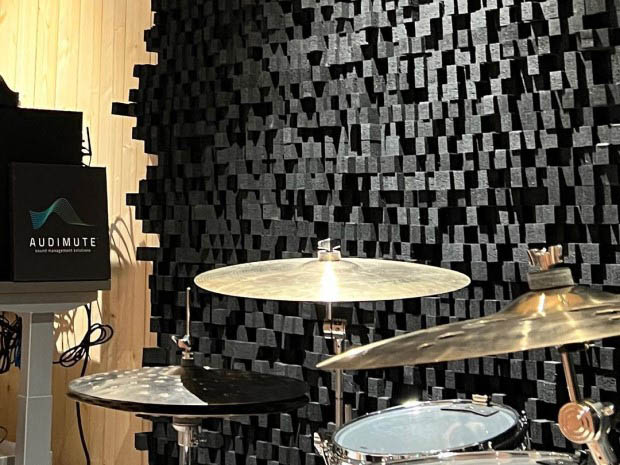
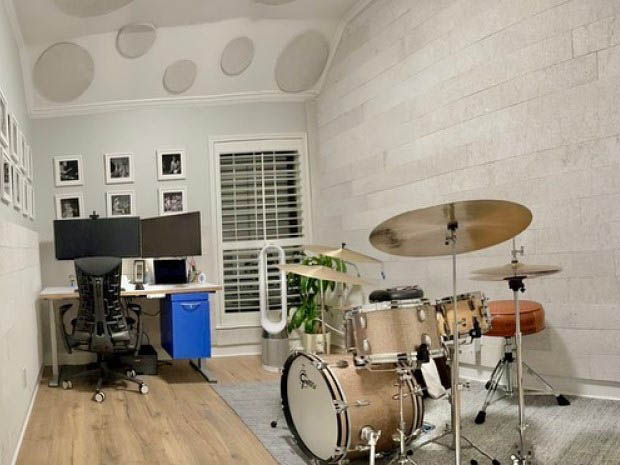
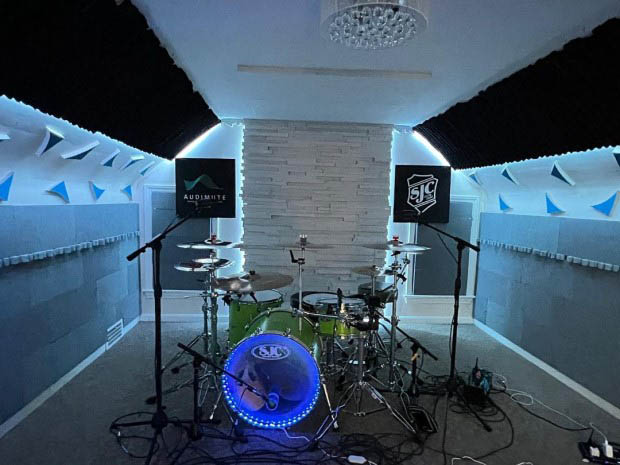
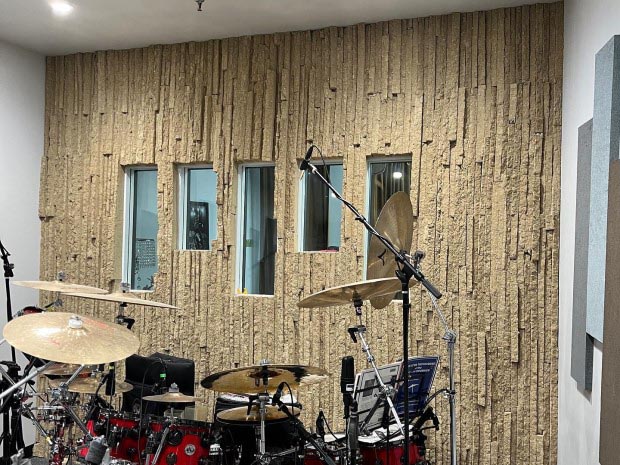
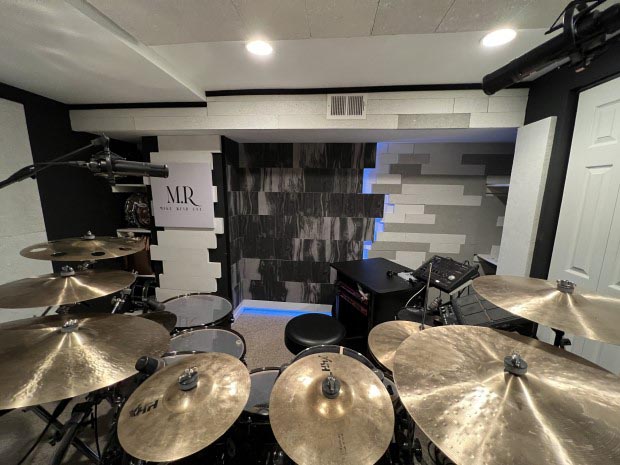
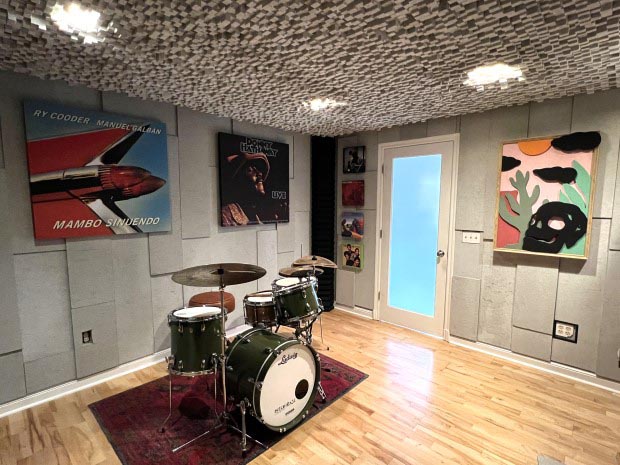
The most affordable way to help reduce sound from leaving its intended space is to add sound absorption products to the walls, such as our Sound Absorption Sheets.
Sound Absorption Sheets, which attach easily to the wall with our quick hanging knob and screws, clean up the sound and can reduce sound levels by up to 60 percent. The sheets have an impressive NRC (noise reduction coefficient) rating of 0.85. They consist of all-natural, environmentally friendly materials, rather than fiberglass or foam, to reduce sound effectively and economically.
Our isolé® Sound Barrier Sheets are similar to our Sound Absorption Sheets, but they are more effective at blocking sound because they have a dense layer of 20 STC 1/16" Mass Loaded Vinyl (MLV) inside, which is used to block sound from passing through the isolé. The isolé sheets are ideal for absorbing and blocking sound that would otherwise reflect and escape through doors, windows, vents, and other weaknesses in the structure.
Step 2: Find the leaks and seal them
Sound goes where air goes, and in a perfect soundproof drum room, air can’t get in or out. This is great for making the room quiet on the outside. It’s not so good for the musicians inside. Since complete air-tightness isn’t practical or advisable, take the time to find the major air leaks to the outside and seal them. You’ll want to do this whether you’re building a drum room or optimizing an existing one.
- Use a flashlight or feel for airflow in the seams and cracks of doors, windows, and walls.
- Apply a good acoustic seal to the door sweep and sealing areas. Audimute's Acoustic Door Seal Kit helps to close up these trouble areas, keeping sound in.
- Seal seams and other obvious gaps with caulk or tape.
Step 3: Next Steps for a Soundproof Drum Room
With absorption products in place and air leaks minimized, the practice space will function more like a soundproof drum room. Care to take it to the next level?
- Isolate walls, floors, and ceilings by installing sound blocking solutions, like Peacemaker®.
- Refine the interior acoustics for great recordings.
If you have any questions or would like free advice on how to best treat your drum room, then chat with us, fill our our Free Room Analysis Form or call 1.866.505.MUTE to speak with an Acoustic Specialist.
.jpg)
.jpg)
.jpg)
.jpg)
.jpg)
.jpg)
.jpg)
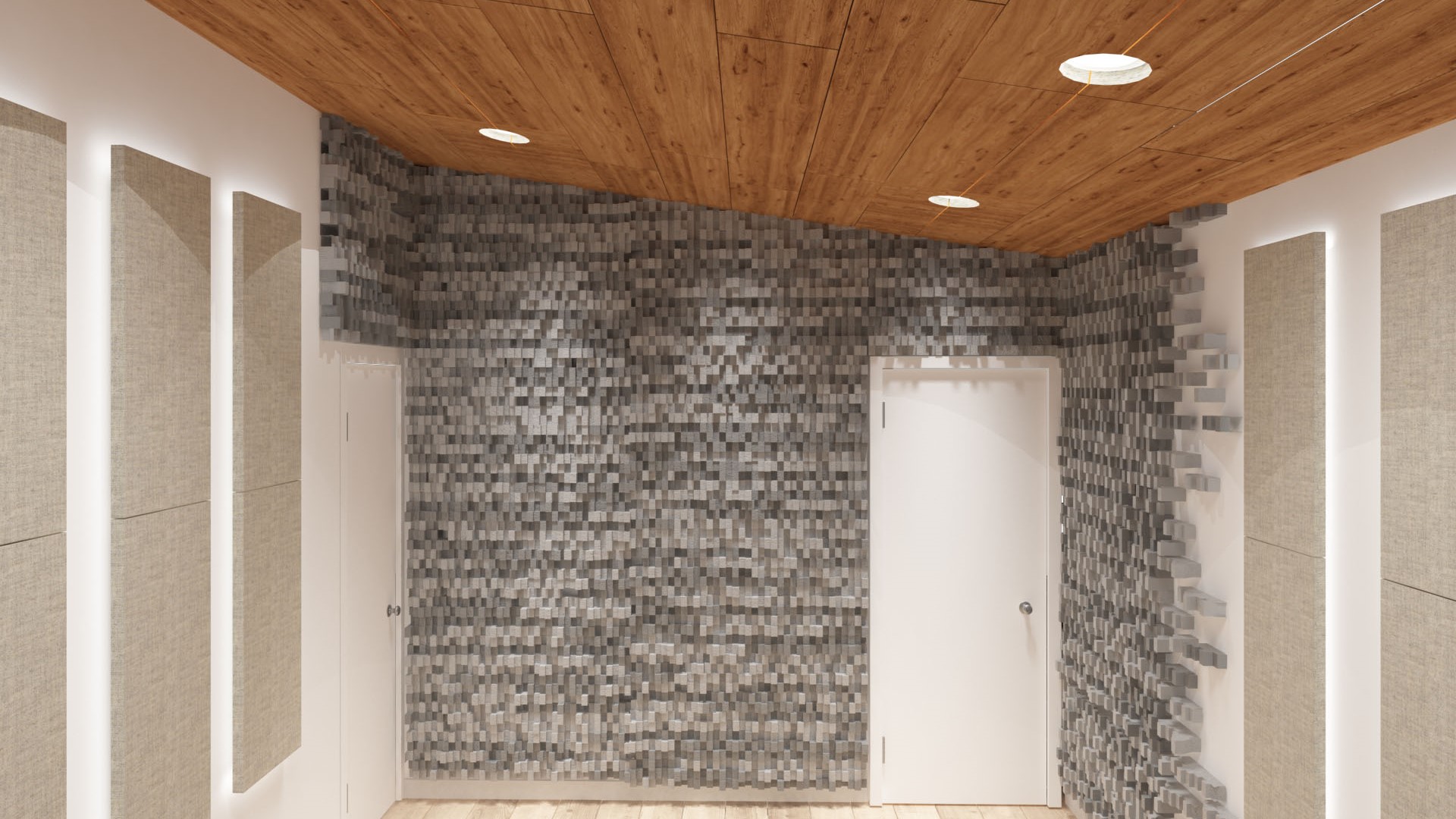
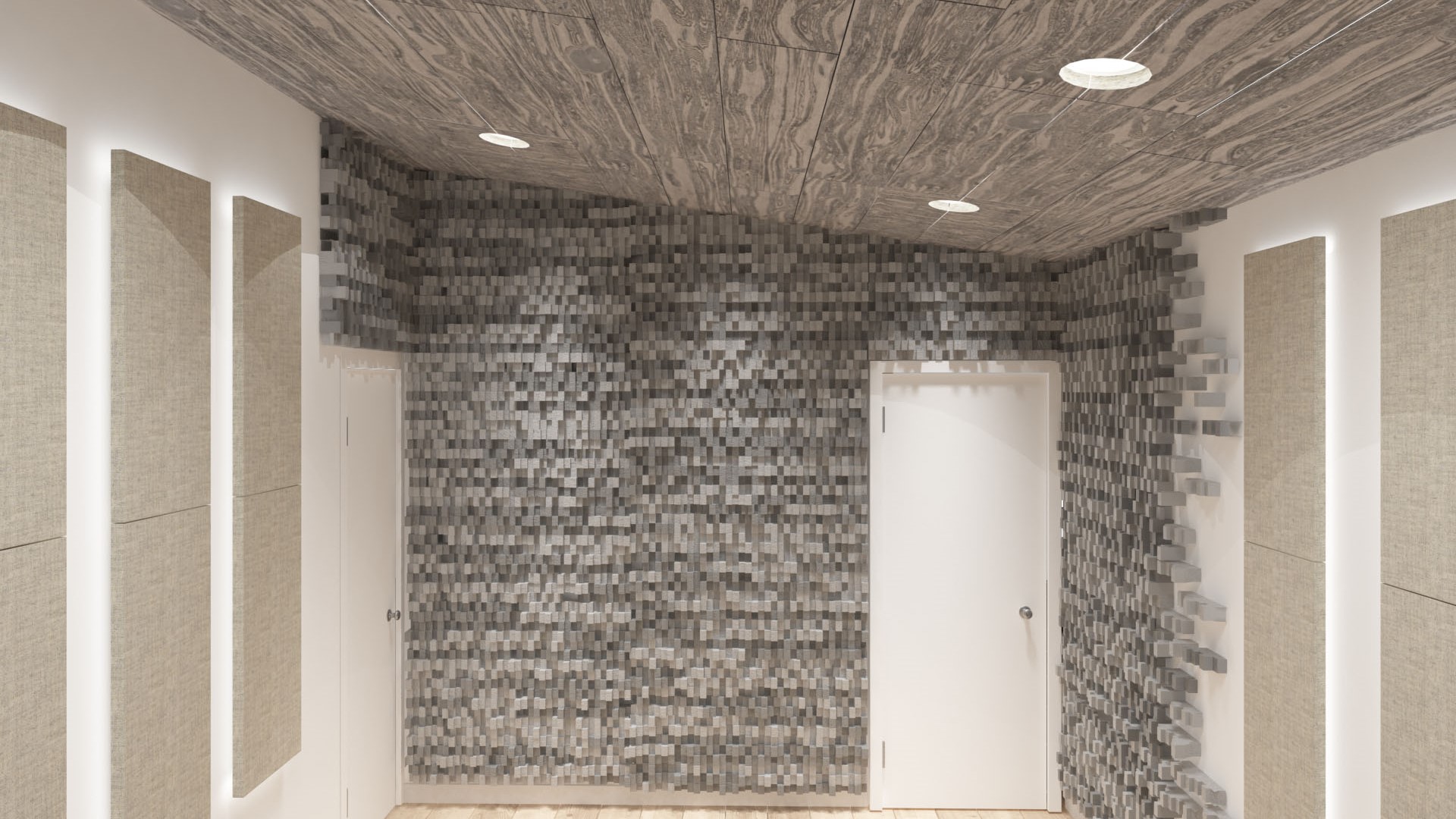
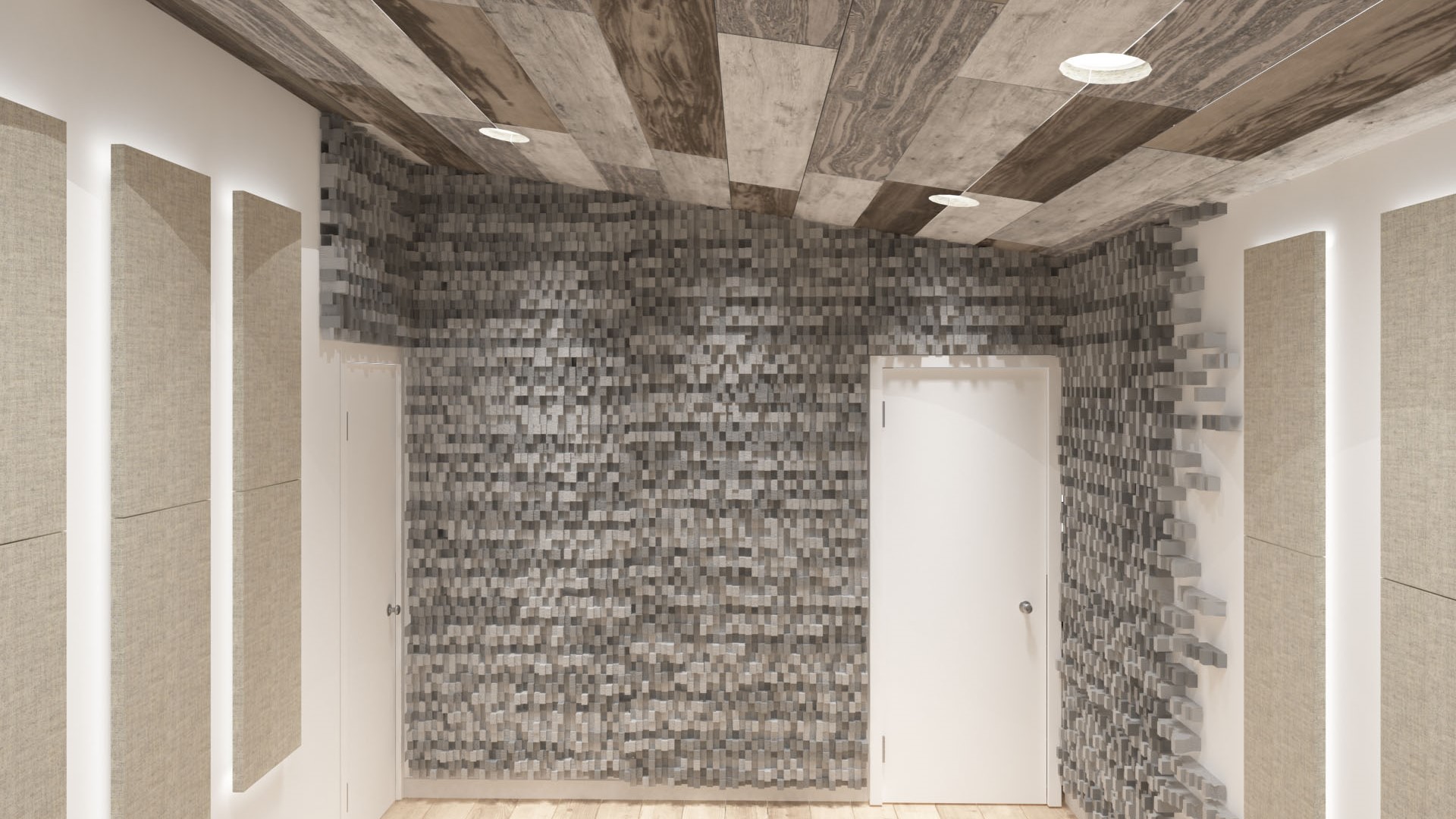
View PDF of Application Images
-
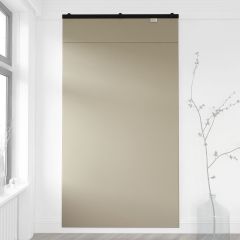 Sound Absorption SheetsAs low as $72.00
 -
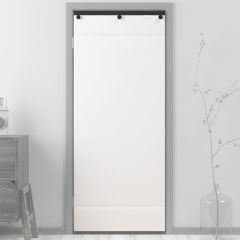 isolé® Sound Barrier SheetsAs low as $118.00
 -
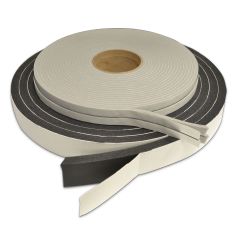 Acoustic Door Seal KitAs low as $22.00
 -
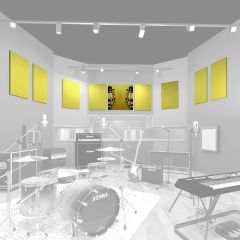 Standard Studio KitTotal $752.00
 -
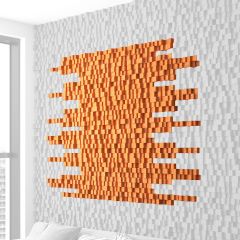 Audimute Strata®Total $358.00
 -
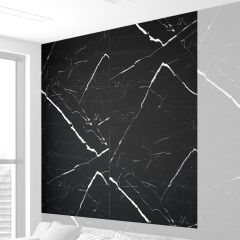 AcoustiStone® Premium Acoustic Stone Alternative TilesTotal $248.00
 -
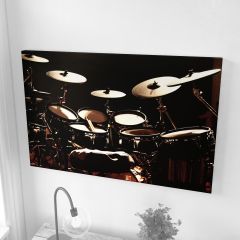 Music Acoustic Image PanelsAs low as $96.00
 -
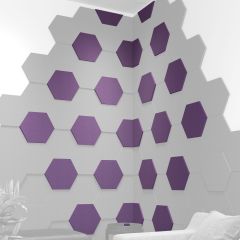 AcoustiColor® Acoustic ShapesAs low as $114.00
 -
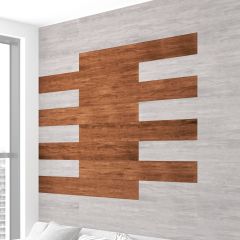 AcoustiWood® Standard Acoustic Wood Alternative PlanksTotal $248.00
 -
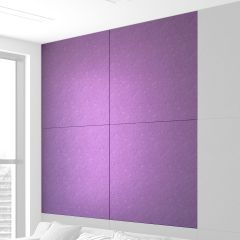 AcoustiColor® Acoustic TilesTotal $146.00
 -
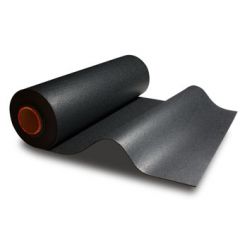 Peacemaker® Sound Barrier - 3 mmAs low as $38.00
 -
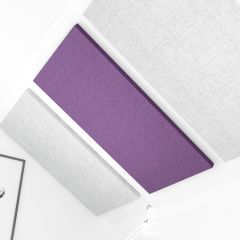 AcoustiColor® Acoustic Direct Mount Ceiling TilesAs low as $28.00